Excavation and Septic in Fort Covington, New York
Fort Covington is a short run north. Flat border country, heavier ground, and drainage that has to be taken seriously.
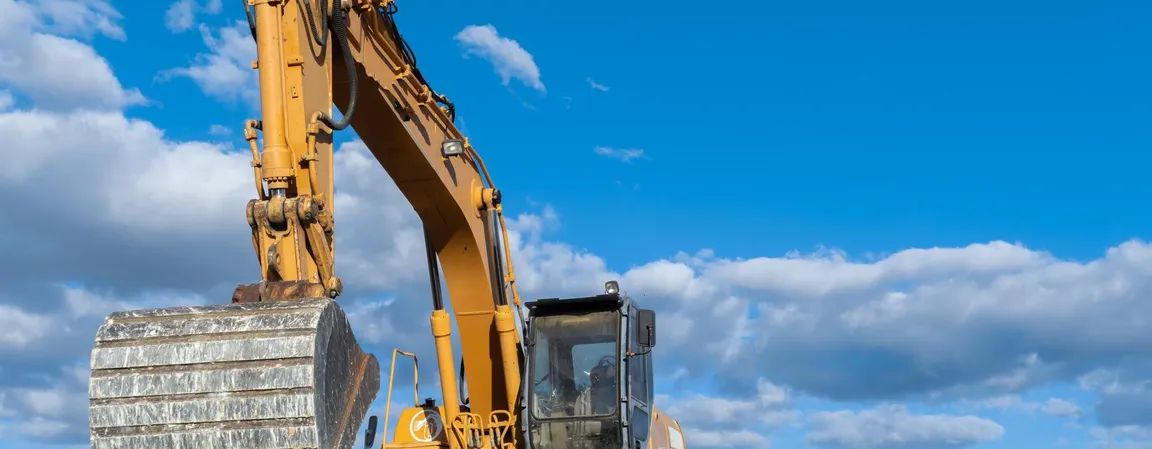
Fort Covington sits up on the Canadian line, a short run north of Moira, and it is flat farm country. We put in septic systems, clear lots, dig building pads, cut in driveways and run the drainage that flat ground always ends up needing.
Flat is easy to build on and hard to drain, and that trade-off shapes most of the work up here. Getting the grade right around a house is not a detail on this ground, it is the job.
Get A Free Estimate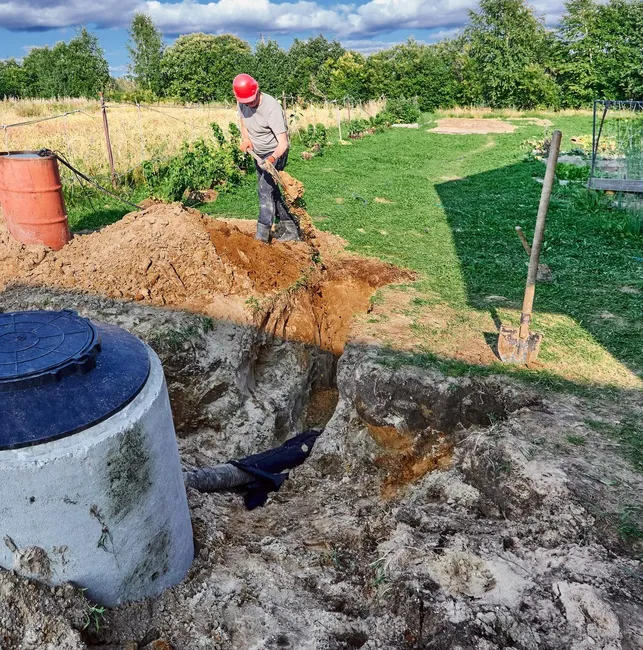
Heavy Ground And High Water
The lower St. Lawrence country running through this part of the county carries a lot of fine-grained, calcareous glacial lake and marine sediment left behind when the Champlain Sea flooded the lowlands at the end of the last glaciation. Where that material dominates, the soils are clayey through the profile and drain poorly to somewhat poorly. Water sits rather than soaking away.
For excavation that means two things. First, timing matters: saturated clay ground in spring is a bad place to be running heavy machines, and pushing it wrecks the site. Second, the grade around a foundation has to move water away deliberately, with drain lines where the ground will not do it on its own. Skip that and the water goes to the lowest point available, which is usually your basement.
Get A Free Estimate
Septic Design On Clay
Clay soils and high seasonal water tables are exactly what New York's septic rules are written around. Appendix 75-A requires four feet of usable soil above groundwater and bedrock, at least two feet between the bottom of the absorption trenches and any limiting layer, and a soil profile evaluated down to six feet. On tight, wet ground a conventional in-ground trench field often cannot meet that.
The usual answer is a built-up or raised system, where the field is constructed above the natural grade in imported fill that percolates in the five to thirty minutes per inch range the state wants, so the wastewater is treated in good material instead of sitting in clay. That is more fill, more hauling and more machine time than a straightforward field, and it is far better to know that at the soil test than after you have budgeted for the easy version. The leach field also has to stay a hundred feet clear of any private well.
Get A Free Estimate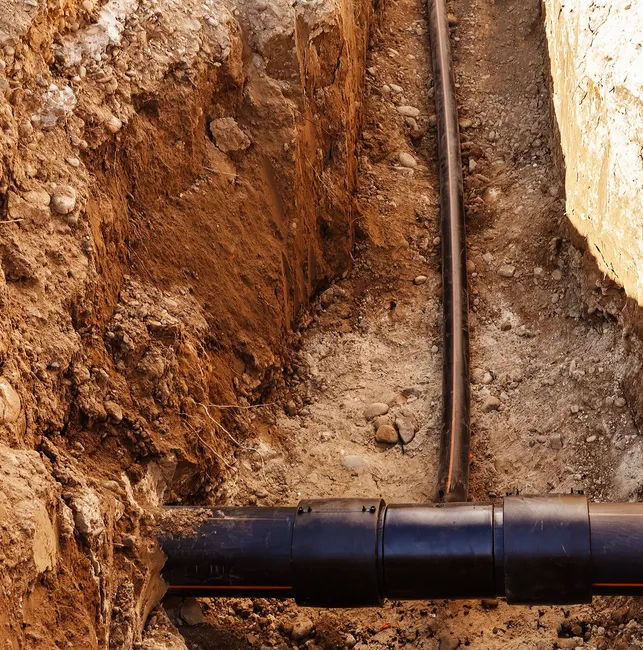
What We Do In Fort Covington
Everything on a home site except the building itself. Pick the piece you need, or hand us the whole lot.
Get A Free Estimate Septic Systems
Fort Covington Questions
Because much of the ground through this part of the lowlands is clayey and drains poorly, often with a high seasonal water table. New York requires four feet of usable soil above groundwater and bedrock and two feet beneath the trenches, and where the lot cannot give that naturally the field is built up in imported fill instead. Only the soil test on your lot can say for certain.
No, it is just ground that has to be graded and drained deliberately rather than left to sort itself out. That is normal work up here.
Anything but a saturated spring, if the schedule allows. Running heavy machines over soaked clay makes a mess of a site and does not do the work any favours. We will give you a realistic read when we quote it.
Budget for the possibility. Published New York figures put raised and engineered designs at roughly double a conventional system, and flat border ground with a high seasonal water table is exactly the situation that forces one. Get the soil evaluation done early so you are not rewriting the build budget halfway through.
It can, but it costs a great deal more. Drain lines put in while the site is open are a fraction of what they cost once the driveway is stoned and the lawn is in. On this ground it is worth planning them from the start.
Other Towns We Cover
Fort Covington is one stop on the run. The full list is on the service areas page.
View All Service AreasReady To Break Ground?